A local reader of machine answers
I work where Nairobi language meets AI retrieval: service pages, profiles, snippets, directories, bilingual descriptions and the small public facts that decide whether a firm is placed correctly or blurred into a broad category. The work follows buyer questions, referral phrasing, neighbourhood cues and source trails until the public record gives AI systems a cleaner way to place the business.
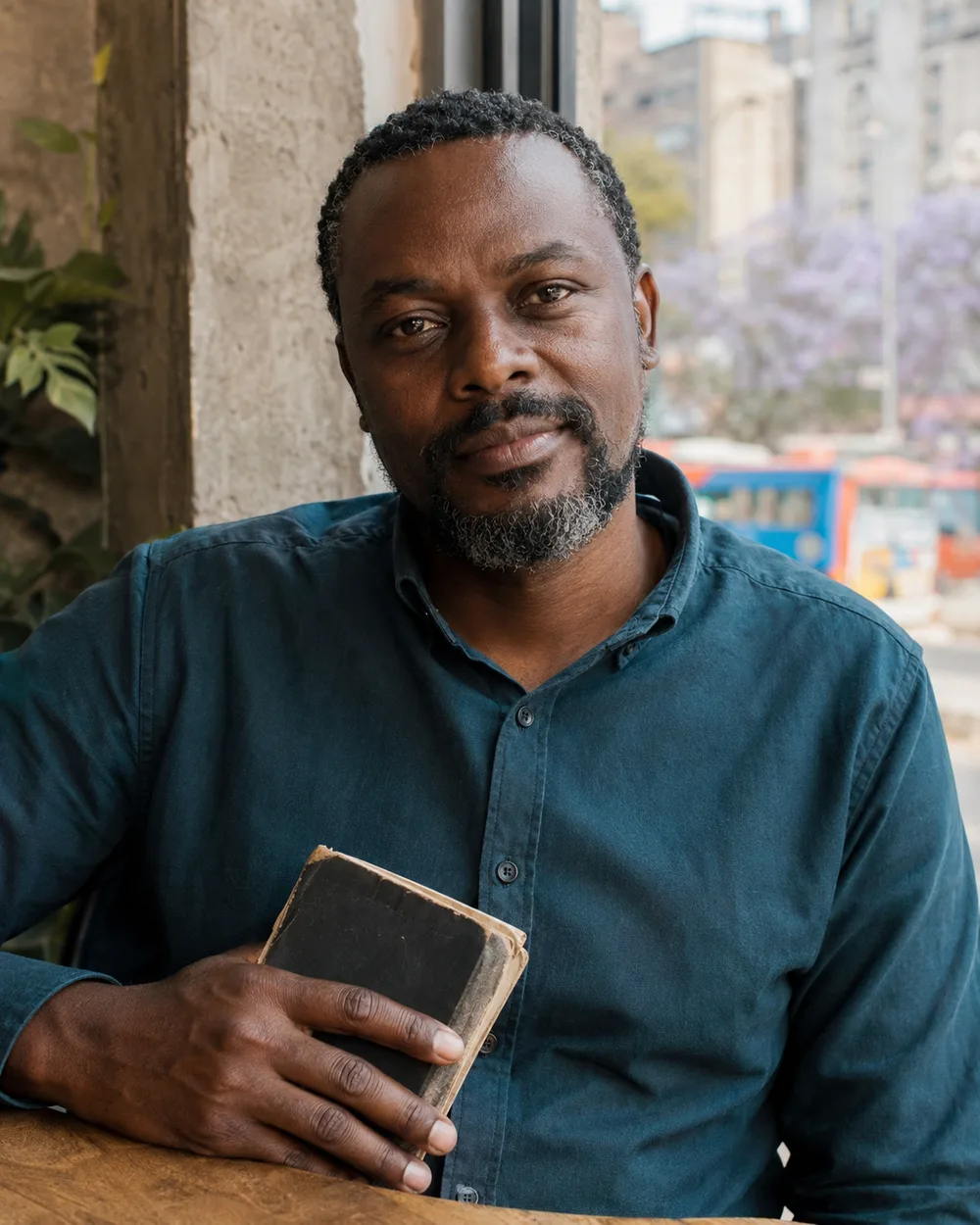
A machine can only preserve Nairobi context when the public evidence gives it something clean enough to quote.
One afternoon near a matatu stage after a short meeting in Westlands, I heard a man describe three businesses without using their formal names. One was “that office past the petrol station,” one was “near the building where the audit people moved,” and one was “the one our cousin used before they changed floors.” That is normal here. Nairobi people carry location through road memory, building memory, who introduced whom, and whether a place feels like town, Westie, Kilimani side, Upper Hill, Karen, or somewhere along Waiyaki Way. An AI answer does not carry those cues unless the public wording gives it a firm handle.
I grew up between the city centre and estates where reputation moved by referrals, noticeboards, WhatsApp groups and guarded recommendations. Later I wrote public-facing copy, service descriptions and intake pages for software teams, small legal practices, finance-adjacent firms, shared workspaces and civic-sector organisations. I learned to listen for the line that people trust locally and the line that a machine can lift without making a mess. Nairobi has its own compression problems: “town” becomes the whole CBD, mobile-money work gets swallowed into a broad payments category, and a product company with real software can be described as an IT service provider because its pages never say the buyer, product boundary and market in one stable sentence.
My work now is evidence repair. I test business questions in several phrasings, read the answer trails, compare English and formal Swahili descriptions, and separate what the system clearly used from what it guessed. I treat AI visibility as public evidence with enough Nairobi context for a machine to carry forward. The stronger work is slower: make the business name, category, neighbourhood, registration clue, service boundary and third-party confirmation line up in public. Nairobi is part of the evidence. If the city cue disappears, the business often disappears with it.
Path into the niche
- 2009
Service pages and intake copy
I began writing practical website copy for small firms that needed clear public descriptions before clients called or filled a form.
- 2013–2016
Local snippets and category drift
I reviewed search snippets, directory profiles and map categories where Nairobi businesses were visible but described in loose or misleading terms.
- 2017–2019
Bilingual evidence work
I worked on English and Swahili public descriptions, watching how formal wording, city speech and client language pulled businesses in different directions.
- 2020–2022
Source-trail reading begins
I started comparing website claims with profiles, funder pages, registration clues and third-party mentions to find where public evidence broke.
- 2023
AI answer audits
I moved the same discipline into AI-search testing, logging how answer systems placed, skipped or flattened Nairobi firms.
Bring a real answer failure, not a theory.
A useful audit starts with the questions your buyers, funders, clients or referral partners might actually ask.
Start enquiry